
男女热量需求,真的不一样吗?
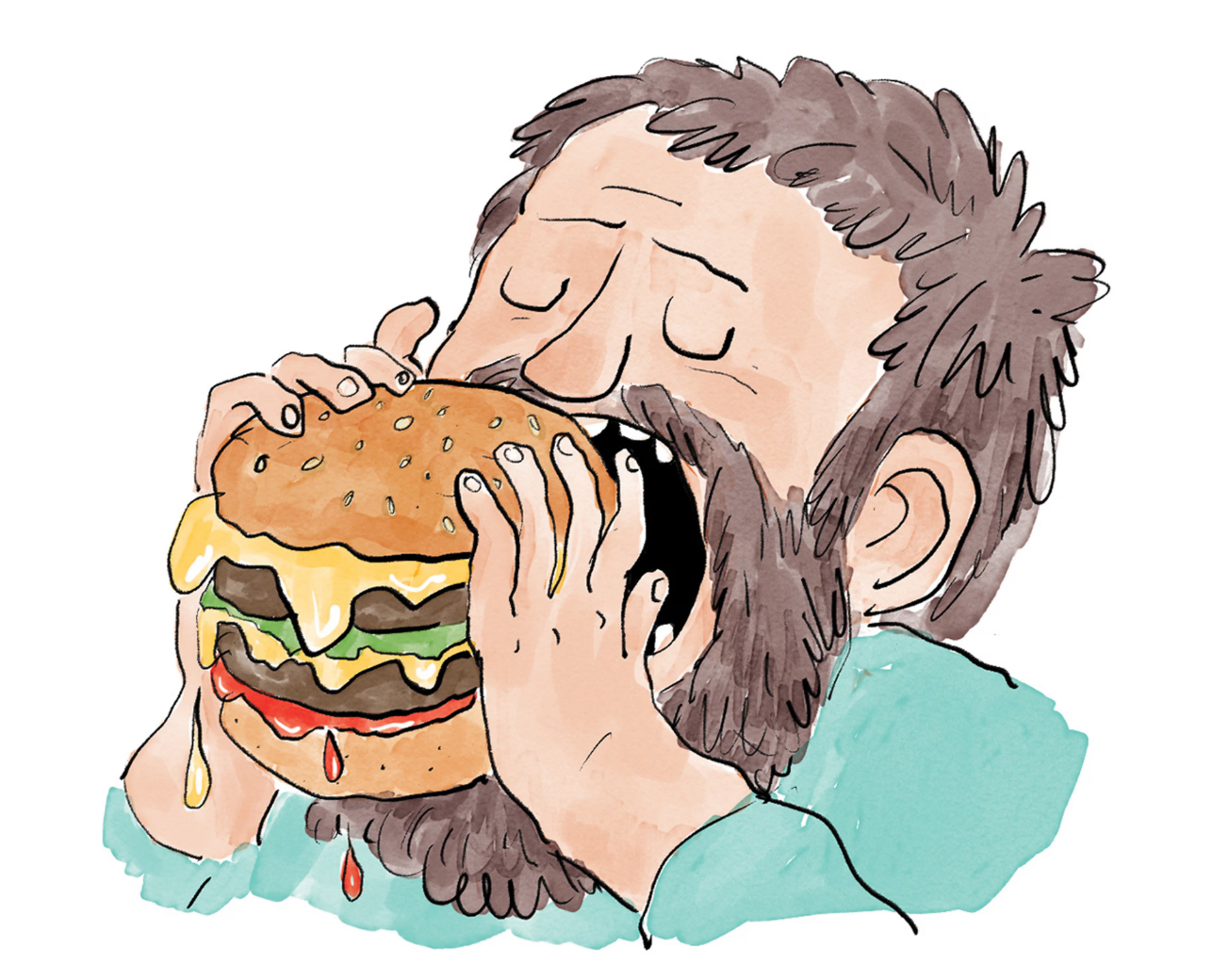
Is it true that men need to consume more calories than women? “Generally speaking, yes,” says Bethan Crouse, a sports nutrition expert from Loughborough University, “but it is not a rule that fits everyone.” Humans burn calories to power everything from movement to sleep. For adults aged between 19 and 64, daily energy needs are about 2,000 calories for women and 2,500 for men. Needs are very different for children and teenagers, and they usually fall with age. However, averages hide a lot of differences between individuals.
One main reason men usually need more calories is that they often have a higher resting metabolic (新陈代谢的) rate. This means they burn more energy even when at rest. The difference is mostly because of body composition. On average, men have more lean muscle, while women tend to have a higher percentage of body fat. Muscle burns more calories than fat, even when the body is not active.
These differences in muscle are not mainly because of diet or exercise, but because of hormones (荷尔蒙). Certain natural substances in the body, which are typically more present in men, support the development of muscle. So, even if a man and a woman have the same height, age, weight, and workout plan, their calorie needs may still be different. However, Crouse points out there is also individual variation.
For example, think of a muscular woman and an average man. “That woman may need more calories than the man when resting, and she probably exercises more too, which increases her needs further.” Long-term dieting can also change things. Eating too few calories for a long time can lower the body’s base energy needs, like turning down a “metabolic dial”.
1.1. What is Bethan Crouse’s attitude towards the general rule about calorie needs?
A It is completely correct.
B It is not a one-size-fits-all rule.
C It only applies to men.
D It is based on false data.
解析:选B。B推理判断题。第一段引用了她的话:“‘Generally speaking, yes,’... ‘but it is not a rule that fits everyone.’ ”(“总的来说,是的,……但这并不是一条适用于所有人的规则。”)这句话直接表明她认为该规则存在例外,并非绝对真理。选项B“它并非一条放之四海而皆准的规则”是对原文观点的同义转述。选项A与原文相反;选项C“仅适用于男性”和选项D“基于错误数据”都属于过度推断,文中并未提及。故选B。
2.2. According to the passage, why do men usually require more calories than women?
A They have more fat.
B They exercise harder.
C They have more muscle.
D They eat more food.
解析:选C。C细节理解题。第二段明确指出:“One main reason... is that they often have a higher resting metabolic rate. ... The difference is mostly because of body composition. On average, men have more lean muscle... Muscle burns more calories than fat... ”(“一个主要原因……是他们的静息代谢率更高。……这种差异主要是由身体成分决定的。平均而言,男性拥有更多的瘦肌肉……肌肉比脂肪消耗更多的卡路里……”)这形成了一个完整的因果链条:男性肌肉更多→肌肉消耗更多热量→所以需要更多卡路里。选项C“他们有更多肌肉”是这一逻辑的核心。选项A、B、D在文中均未被解释为根本原因。故选C。
3.3. What is the primary factor behind the muscle difference between genders?
A Diet habits.
B Hormones.
C Body weight.
D Age factor.
解析:选B。B推理判断题。第三段开头清晰地指出:“These differences in muscle are not mainly because of diet or exercise, but because of hormones. ”(“这些肌肉上的差异主要不是由饮食或锻炼造成的,而是由荷尔蒙造成的。”)这句话通过“not... but...”的结构,直接排除了A选项“饮食习惯”,并确认了B选项“荷尔蒙”是主要原因。虽然这是一个细节,但需要学生准确理解这个转折关系。C、D选项文中未提及。故选B。
4.4. Why does the author mention the example of a muscular woman?
A To show she needs fewer calories.
B To prove women always need less.
C To illustrate muscle increases calorie burn.
D To argue men need more calories.
解析:选C。C推理判断题。在第四段,作者先提出一般情况,然后举例:“For example, think of a muscular woman and an average man. ‘That woman may need more calories than the man when resting...’”(“例如,设想一位肌肉发达的女性和一位普通的男性。 ‘那位女性在休息时可能需要比那位男性更多的热量……’”)这个例子是为了支持前文“肌肉消耗更多热量”的观点,并进一步说明个体差异的存在。它证明了肌肉量对热量需求的决定性影响。选项C“为了说明肌肉增加热量消耗”准确地概括了举例的目的。选项A、B与例子相反;选项D是文章开头讨论的一般现象,而不是这个特定例子的目的。故选C。