
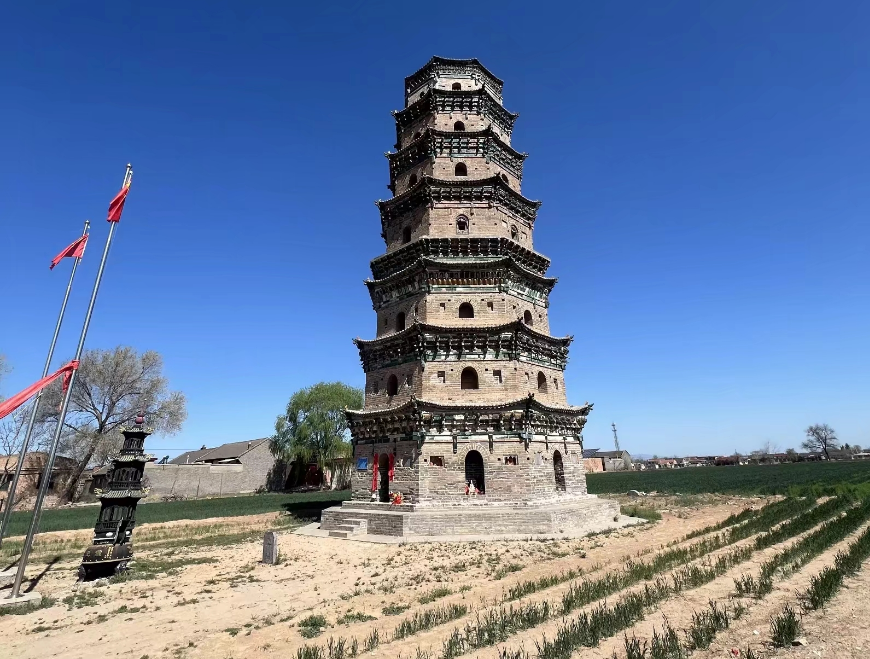
当年轻人爱上老建筑
1.1.What do more young Chinese people do recently?
A Visit new city parks.
B Go to old buildings.
C Follow online hot places.
D Live in old village houses.
解析:选B。1.B 细节理解题。根据第一段第一句“More and more young people in China are visiting ancient buildings.”可知,越来越多的中国年轻人前去参观古建筑。故选B。
2.2.What is the result of young people sharing trips online?
A Shanxi gets more visitors.
B Old buildings lose popularity.
C They stop visiting these places.
D Government closes some buildings.
解析:选A。2.A 细节理解题。根据第二段最后一句可知,年轻人的线上分享让山西这类拥有众多古建筑的省份成为热门旅游地,即山西迎来了更多游客。故选A。
3.3.What else makes young people love old structures besides beauty?
A They cost little to visit.
B They bring calm feelings.
C They are easy to reach.
D They look quite modern.
解析:选B。3.B 细节理解题。根据第三段“It is not only because they look beautiful. They also make people feel calm and connected to the past.”可知,除了外观美观,古建筑还能让人感到内心平静。故选B。
4.4.What can we infer about the government?
A It forgets the old buildings.
B It dislikes young visitors.
C It tries to protect old buildings.
D It sells the old buildings.
解析:选C。4.C 推理判断题。根据第四段第一句“Now, the government is also working to protect these buildings and use them in new ways.”可推知,政府正努力保护古建筑,这是对政府行为的合理推理。故选C。
5.5.What is the main purpose of their joint efforts?
A To make buildings popular online.
B To study old building technology.
C To create jobs for young craftsmen.
D To save buildings for future generations.
解析:选D。5.D 推理判断题。根据最后一段最后一句“...keeps them alive for the future”可知,年轻人的喜爱与政府的保护形成合力,目的是让古建筑留存下去、造福后代。因此双方共同努力的核心目的是为后代保存这些古建筑。故选D。