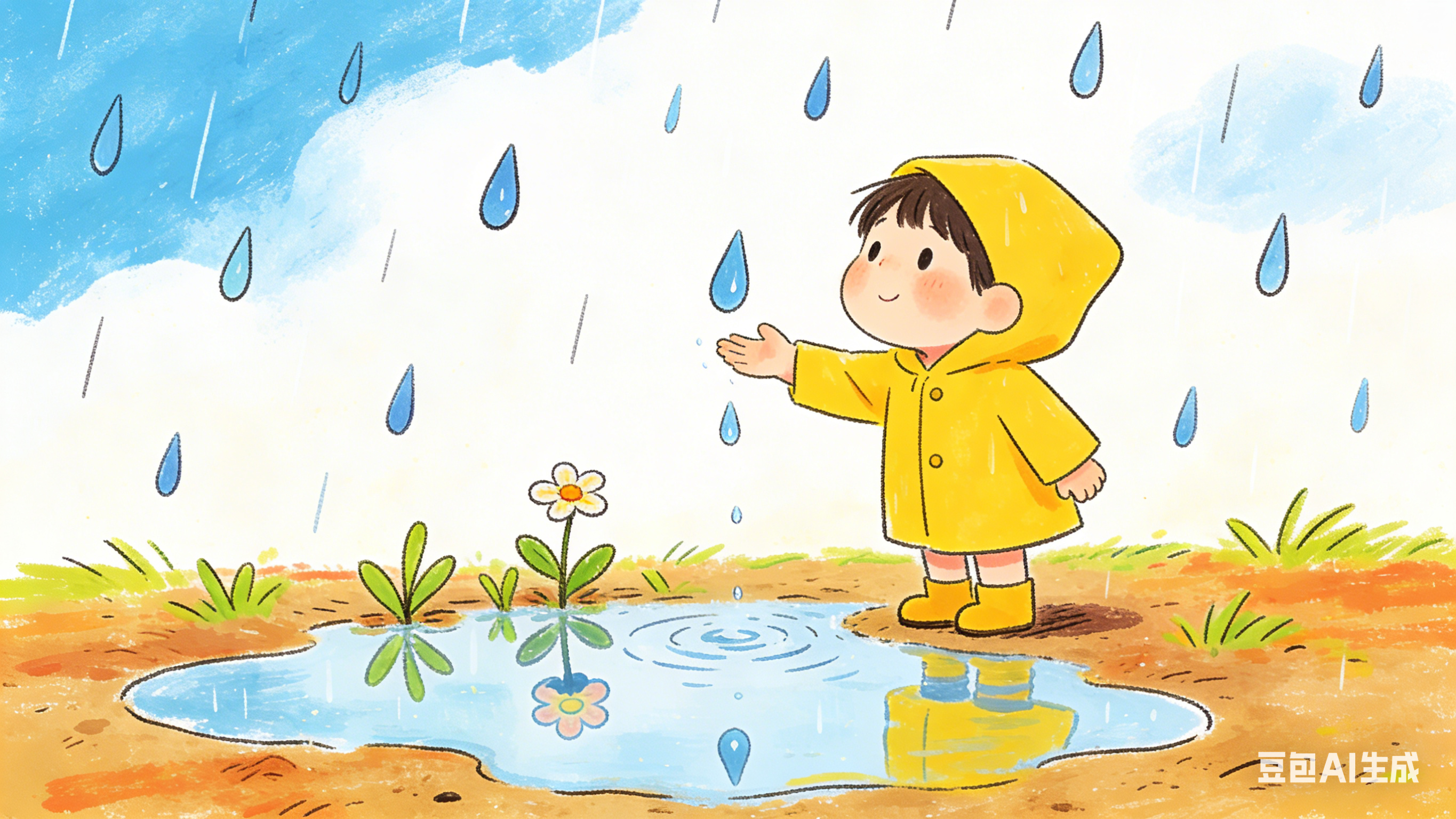
The traditional Chinese solar calendar divides the year into 24 solar terms. Rain Water, one of them, usually lasts from February 19 to March 4. It marks more rainfall and rising temperatures, bringing vivid spring scenery.
Spring rainfall is as precious as oil in China, especially for northern areas where spring drought is common. Data shows that spring rainfall makes up only 10 to 15 percent of the yearly total. For local farmers, Rain Water is therefore a key period for farm irrigation, which lays a solid foundation for the whole year’s crop growth.
Beyond its vital role in farming, Rain Water also inspires a unique culinary tradition centered on seasonal ingredients. Rain Water is also the perfect time to enjoy fresh spring bamboo shoots. As an old saying goes, one can truly taste spring through these tender shoots. The history of cooking bamboo shoots in China dates back over 2,000 years, with relevant records even found in the Book of Songs.
There are interesting customs related to Rain Water across China. One common practice is that husbands visit their in-laws with thoughtful gifts, such as two cane(藤条) chairs tied with red belts (symbolizing health and long life) and a pot of stewed pig’s knuckles(猪蹄) with soya and kelp to show respect. Another unique tradition, popular in Sichuan, is finding godfathers for young kids. In ancient times, when many childhood diseases were hard to cure, people believed this practice would bring health and safety to children, as rainfall was seen as a source of life for the earth.
While these time-honored customs add warmth and cultural connotation to the season, the changeable weather during Rain Water also calls for special attention to health. People need to be careful with the returning cold spell during Rain Water. More rainfall increases air moisture, leading to lower temperatures and wet weather. It’s wise not to take off thick coats too early, especially for the elderly and children. From the perspective of traditional Chinese medicine, this season is ideal for nourishing the spleen and stomach with porridge.
原创编写 版权所有 侵权必究 每日更新 个性化阅读 英语飙升
1.1.How long does the Rain Water solar term typically last?
A About two weeks.
B Nearly a month.
C Less than ten days.
D Over twenty days.
解析:选A。1. A细节理解题。第一段明确指出“Rain Water...usually lasts from February 19 to March 4”,从2月19日到3月4日大约为两周。故选A。
2.2. What does the expression “as precious as oil” imply about spring rainfall in northern China?
A Extremely valuable.
B Quite common.
C Rather polluted.
D Highly dangerous.
解析:选A。2. A推理判断题。第二段“Spring rainfall is as precious as oil...”后文强调春季降雨仅占全年10%-15%且对灌溉至关重要,说明其“极其珍贵”。故选A。
3.3. Why did ancient people in Sichuan find godfathers for kids during Rain Water?
A To ensure good harvests.
B To celebrate spring scenery.
C To wish for children’s health.
D To show respect to in-laws.
解析:选C。3. C推理判断题。第四段提到四川习俗时说明,古人因许多儿童疾病难以治愈,认为此举能“bring health and safety to children”,故可推断目的是“C. 祝愿儿童健康”。故选C。
4.4. What is the main purpose of the passage?
A To compare different solar terms.
B To explain farming irrigation methods.
C To introduce health tips for the elderly.
D To describe Rain Water’s significance.
解析:选D。4. D主旨大意题。全文依次介绍了雨水节气的时间特征、农业价值、饮食传统、地方习俗及健康提示,整体围绕“D. 描述雨水节气的重要意义”展开,其他选项均为局部细节。故选D。