
话说大寒:美食、习俗与乐趣
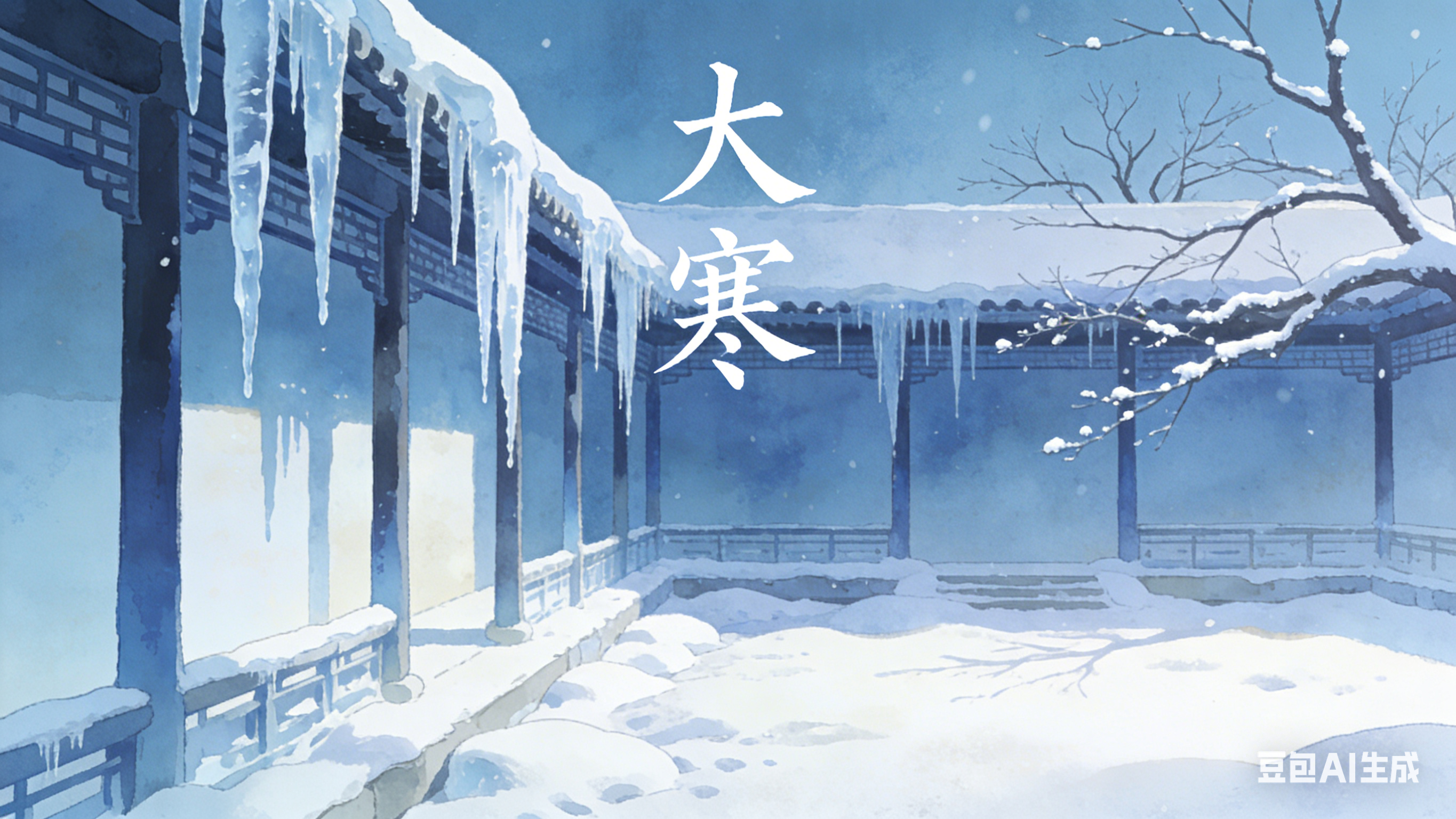
Major Cold is the last of the 24 solar terms. It usually falls on January 20 or 21. This period marks the end of winter and is often the coldest time, featuring snow, rain, and icy winds.
1.1. When does Major Cold usually happen?
A On December 21 or 22.
B On January 5 or 6.
C On January 20 or 21.
D On February 4 or 5.
解析:选C。C细节理解题。第一段明确提到:“It usually falls on January 20 or 21.” 这直接给出了大寒通常到来的日期。故选C。
2.2. The underlined word “dispelling” in Paragraph 2 most likely means ________.
A attracting
B removing
C keeping
D increasing
解析:选B。B词义猜测题。第二段在解释“dispelling cold cake”时指出:“Its name reminds people of ‘driving out the cold’”。这里“driving out”(驱赶出去)是理解关键,表明“dispelling”在此语境下与“removing”(去除)意思最接近,而不是吸引(A)、保持(C)或增加(D)。故选B。
3.3. What is the traditional food in Nanjing during Major Cold?
A Sweet rice cake.
B Fried spring rolls.
C Hot chicken soup.
D Sesame snacks.
解析:选C。C细节理解题。第二段末尾明确指出:“In Nanjing, people like to drink hot chicken soup with healthy herbs.” 故选C。
4.4. Why do people buy sesame straw during Major Cold?
A To make warm food.
B To wish for good progress.
C To decorate their rooms.
D To keep the cold away.
解析:选B。B推理判断题。第三段说明,芝麻秆象征着生活或学习“rise higher and higher”。这暗示了人们购买它是为了寄托一种“越来越好、步步高升”的愿望(B)。文章未提及它用于烹饪(A)、节日装饰(C)或直接御寒(D)。故选B。
5.5. Where is this text most likely from?
A A weather report.
B A storybook.
C A culture magazine.
D A sports newspaper.
解析:选C。C推理判断题。全文主要围绕“大寒”这一节气的传统习俗展开,包括饮食、寓意和活动,核心是介绍文化传统。因此,它最有可能出自一本文化杂志(C)。文章虽提及天气(A)和运动(D),但均非核心;它也不是叙事性的故事(B)。故选C。