
破解远古密码:聆听石头上的“沉默之声”
For centuries, the silent symbols left by ancient civilizations have posed fascinating puzzles. Around the world, many ancient writing systems remain undeciphered, their secrets locked away. The work to crack these codes combines careful study with modern technology, offering glimpses into lost worlds.
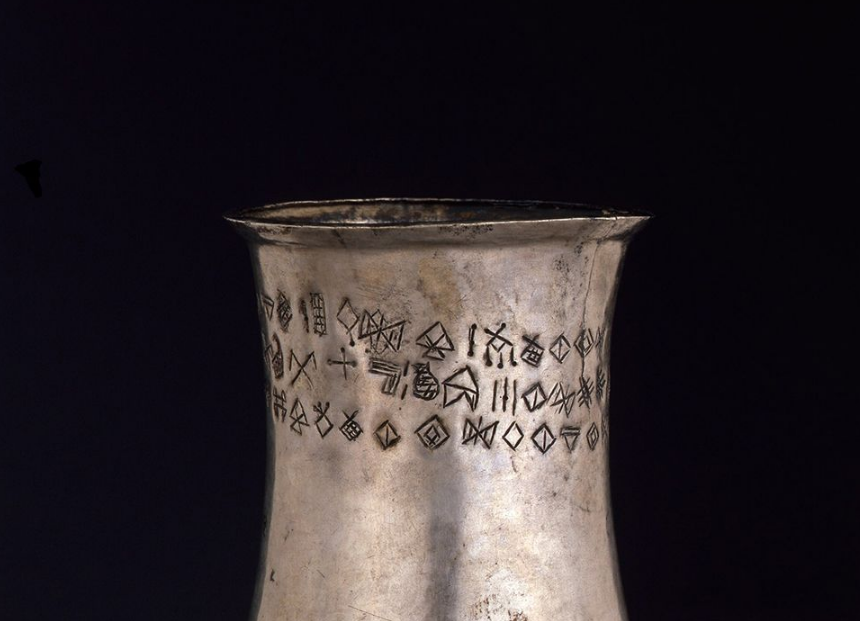
One such script is Linear Elamite, used over 4,000 years ago in what is now Iran. For a long time, scholars had only a handful of inscriptions (铭文) to study, making progress nearly impossible. The breakthrough came when researcher François Desset gained access to a private collection of ancient silver vessels covered with these symbols. This greatly expanded the material available for study. By identifying repeated patterns and comparing them with other known ancient writings, Desset proposed a decipherment. His work, while debated, shows how new discoveries can push the field forward.
Another major puzzle is the Indus Valley script, found on thousands of small stone seals from present-day Pakistan and India. The inscriptions are extremely short, most with fewer than five signs. This has led some experts to doubt if it is true writing at all. Different scholars have proposed very different theories. One suggests the signs represent star names and were used for timing festivals. Another believes they are simply trade labels. Without a long text for comparison, a final answer remains out of reach.
Decoding these ancient scripts is incredibly difficult, often requiring both logical analysis and creative thinking. It is more than an academic exercise; it is a way to hear the voices of ancient people — to understand their beliefs, their society, and their daily lives. While technology like AI can help, human insight remains key to connecting us with our distant past.
原创编写 版权所有 侵权必究 每日更新 个性化阅读 英语飙升1.1.What does the word “undeciphered” most likely mean in the first paragraph?
A Well protected.
B Not yet understood.
C Widely spread.
D Carefully studied.
解析:选B。B词义猜测题。在第一段中,“undeciphered”用来描述许多古代文字系统(ancient writing systems),并补充说明“their secrets locked away”(它们的秘密被锁住)。结合后文整篇都在探讨如何“破解(crack)”这些文字,可以推断该词在此处的含义是“尚未被破译的”或“未被理解的”。选项B“尚未被理解”最符合语境。A项“受到良好保护”、C项“广泛传播”和D项“被仔细研究过”均与原文语境中“秘密仍被锁住”及后文的“破解努力”相矛盾。故选B。
2.2.What was key to the progress in reading Linear Elamite?
A Using advanced computer programs.
B Finding more text samples.
C Comparing it with modern languages.
D Studying it for a very long time.
解析:选B。B细节理解题。第二段明确指出,学者们长期只有少量铭文(a handful of inscriptions),进展甚微,直到Desset研究了“a private collection”中大量带有该文字的银器,材料大大扩展(greatly expanded the material)后才取得突破。因此,关键是“发现了更多的铭文样本”,而非技术(A)、与现代语言比较(C)或研究时长(D)。故选B。
3.3.Why is the Indus Valley script particularly challenging to understand?
A Its materials are easily damaged.
B The available texts are too brief.
C Experts totally disagree with each other.
D Its theories are too complex to prove.
解析:选B。B推理判断题、第三段提到该文字的铭文“extremely short, most with fewer than five signs”,并指出这导致一些专家怀疑它是否算真正的文字,且因没有长文本(Without a long text)而无法定论。由此可推断,其核心挑战在于“可用的文本太短”。其他选项如材料易损(A)、专家完全分歧(C)、理论复杂(D)均非文中强调的主要原因。故选B。
4.4.What is the passage mainly about?
A Two well-known researchers.
B The role of technology in research.
C Efforts to understand ancient writings.
D The history of a specific script.
解析:选C。C主旨大意题。文章通篇围绕解读古代文字(如Linear Elamite和Indus Valley script)这一中心展开,描述了其困难、方法和意义,而非专门介绍研究学者(A)、技术作用(B)或单一文字历史(D)。因此,文章主旨是“理解古代文字的努力”。故选C。