
别被算法骗了!你以为的流行,可能是AI制造
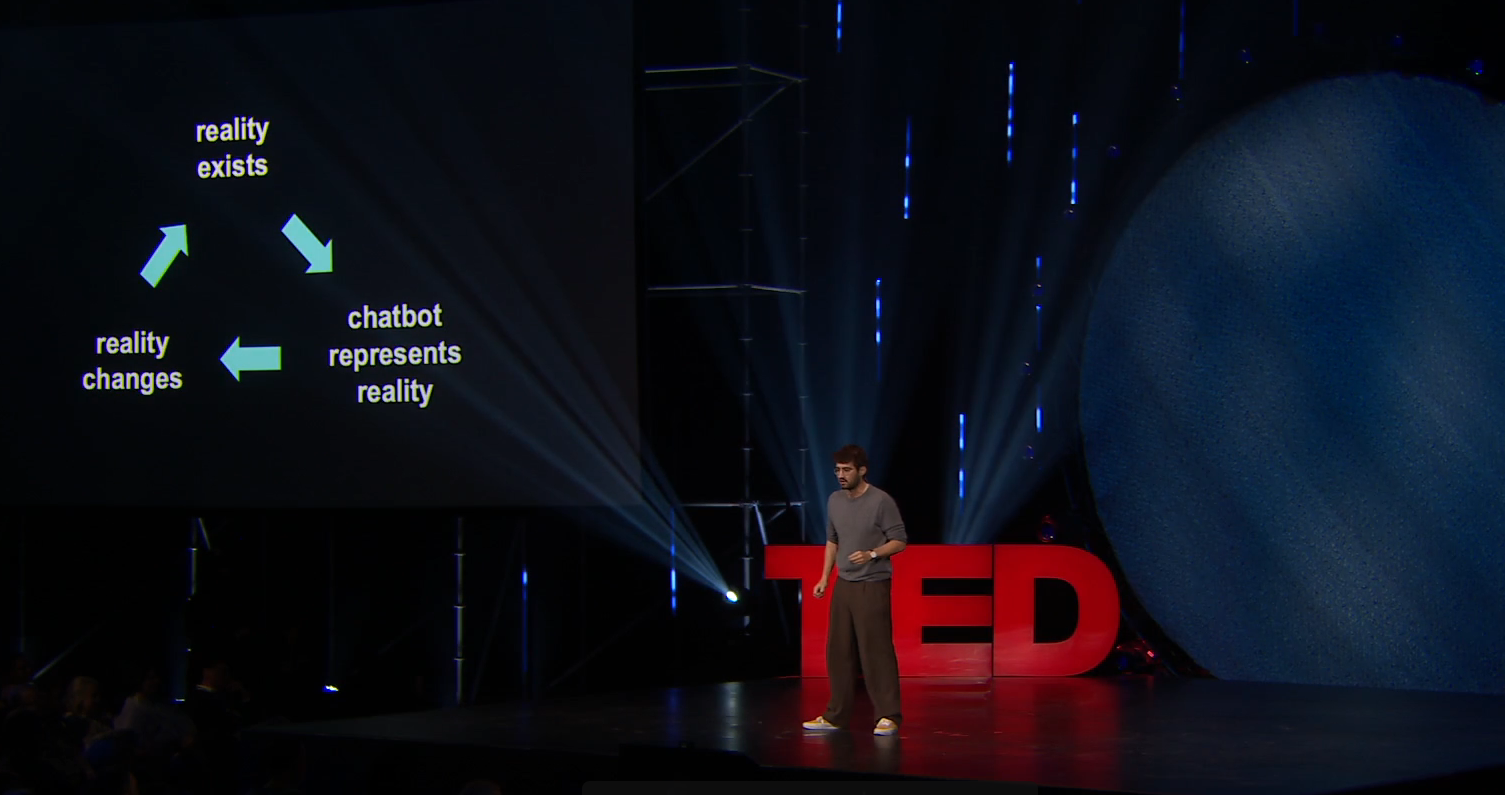
How sure are you that you can tell what is real online? You may think it’s easy to spot an AI-made image, and you might know that computer programs can be biased. But studies show we often fail to notice this in our daily lives. This influence affects not only what we see but also how we speak.
The same thing is now happening with AI chatbots. You may think ChatGPT speaks English like a person, but it does not — just as algorithms (算法) do not show true reality. Its language always has small changes, depending on how the AI is trained. For example, ChatGPT uses the word “delve” much more often than normal. This may be because some of its trainers were from Nigeria, where “delve” is more common. Over time, the AI used it even more. Now, since ChatGPT became popular, people everywhere have begun to use “delve” more in daily talk. Without realizing it, we are starting to copy the AI’s way of speaking.
You can see a similar effect in music apps like Spotify. The app noticed some users listening to a new kind of music. It then created a playlist called “hyperpop” and recommended it to more people. Soon, listeners began to debate what hyperpop really was. Musicians made more songs in that style, and Spotify kept promoting it. But this raises a question: was hyperpop a real trend, or was it made bigger by the app? Social media often amplifies trends to keep users engaged, making it hard to tell what is truly popular.
1.1.What makes ChatGPT use “delve” more frequently?
A Its trainers’ background.
B Its own design purpose.
C Common users’ habits.
D Standard language rules.
解析:选A。A细节理解题。答案直接来源于文章第二段的明确信息:“This may be because some of its trainers were from Nigeria, where ‘delve’ is more common.” 这句话指出,ChatGPT 更频繁使用 “delve” 的原因是其训练者的背景(来自尼日利亚,该词在当地更常见)。选项 B(自身设计目的)、C(普通用户习惯)和 D(标准语言规则)在文中均未提及,因此正确答案为 A。
2.2.What does the underlined word “amplifies” mean in Paragraph 3?
A Enlarges.
B Covers.
C Shows.
D Prevents.
解析:选A。A词义猜测题。在第三段中,原文写道:“Social media often amplifies trends to keep users engaged, making it hard to tell what is truly popular.” 结合语境,社交媒体为了保持用户参与度,会“放大”或“增强”趋势,使其显得更流行。因此,“amplifies” 意为“扩大、放大”,与 “enlarges” 同义。选项 B(覆盖)、C(展示)和 D(阻止)均不符合语境。故选A。
3.3.What can we infer about the “hyperpop” trend from the passage?
A It was created by music fans.
B It was boosted by the platform.
C It grew naturally over time.
D It was defined by musicians alone.
解析:选B。B推理判断题。文章第三段以 “hyperpop” 为例,说明 Spotify 平台创建了该播放列表并推荐给用户,随后听众讨论、音乐家创作更多此类歌曲,但文章质疑:“was hyperpop a real trend, or was it made bigger by the app?” 这暗示平台可能放大了这一趋势,使其显得更流行。选项 A(由乐迷创建)和 D(仅由音乐家定义)与文中内容不符,因为趋势的起源和定义涉及多方;选项 C(随时间自然增长)与文章暗示的平台助推作用相反。通过推理,可以判断平台在推动该趋势中起到了关键作用,因此正确答案为 B。
4.4.Which is the best title for the passage?
A The “Delve” Phenomenon.
B Music Apps Create Trends.
C Algorithms: Mirrors or Makers?
D Asking Questions About AI.
解析:选C。C主旨大意题。文章通过 ChatGPT 使用 “delve” 和 Spotify 推广 “hyperpop” 两个例子,探讨了 AI 和算法不仅反映现实,还改变现实,影响语言和流行趋势。文章最后强调,我们需要质疑这些影响,区分真实与技术塑造的内容。选项 C “Algorithms: Mirrors or Makers?” 直接抓住了文章核心矛盾:算法是单纯的镜子(反映现实)还是制造者(创造现实)?选项 A(“Delve”现象)和 B(音乐应用创造趋势)仅涵盖部分内容,不全面;选项 D(对 AI 提出质疑)是文章建议的做法,但未能概括主题。因此,C 是最佳标题。