
极夜漫漫不emo!北欧人的冬日“抗蓝”指南
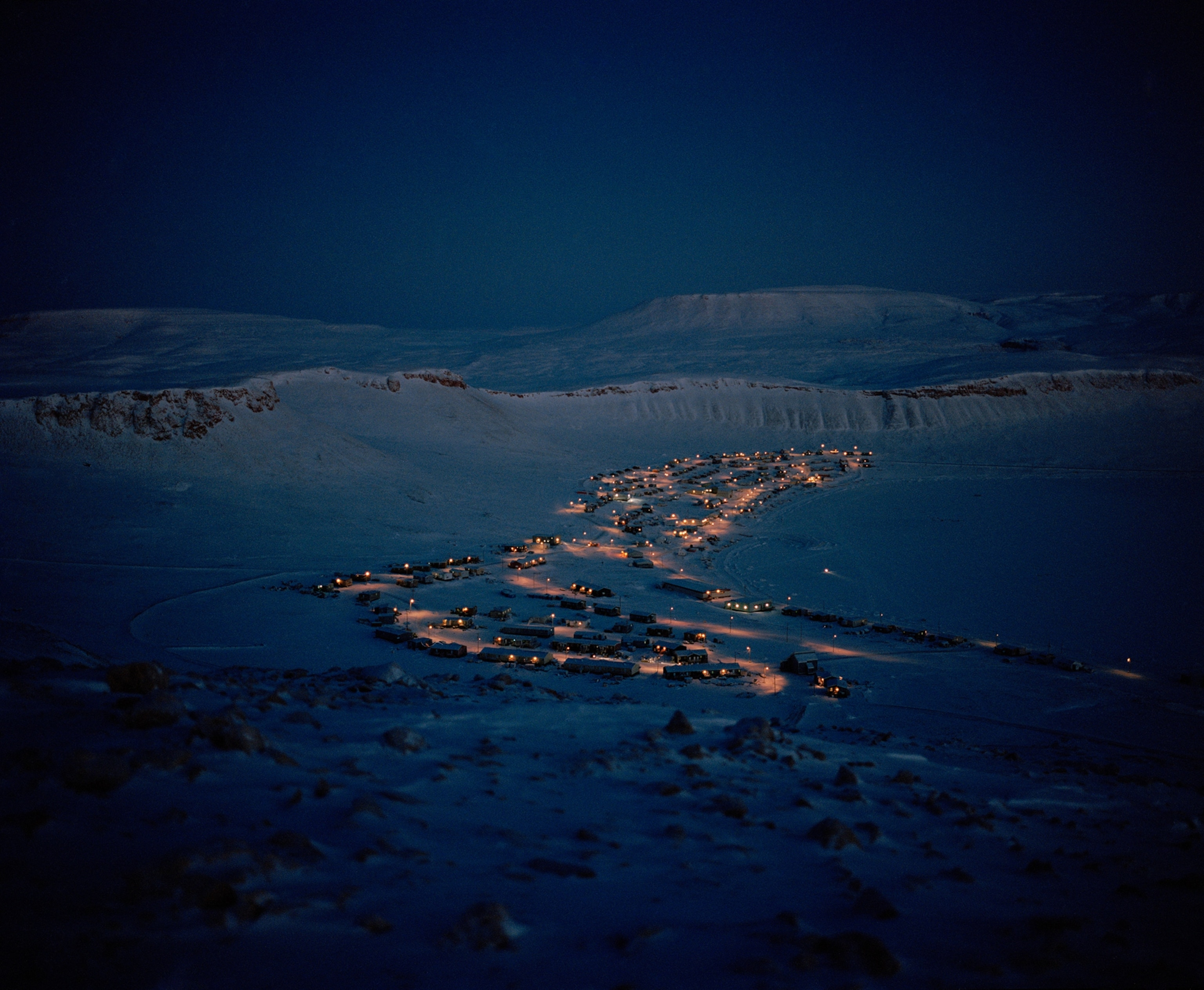
The Nordic countries are no strangers to the long, dark winter. Despite little to no daylight — plus months of freezing temperatures — people who live in northern Europe and above the Arctic Circle have learned how to cope mentally and physically with the annual onset of the winter blues, which can begin as early as October and last until April for some. Here’s how they suggest looking for light during the darkest months of the year.
Dr. Timo Partonen, a research professor at the Finnish Institute for Health and Welfare, said with limited daylight, our internal body clocks cannot adjust properly and this throws off our sleep. We may sleep longer in the winter but we don’t wake up refreshed and can remain tired the rest of the day. In addition to being more tired, we’re more likely to withdraw from others socially in the wintertime. We’re more irritable and more likely to fight with friends. Partonen recommended trying a dawn simulator, sometimes known as a sunrise alarm clock, to gradually light up your bedroom and ease you awake. It’s also important to maintain our relationships because symptoms rarely improve in isolation.
Christian Benedict, a pharmacology professor, suggests light therapy for seasonal affective disorder (SAD) and mild winter blues. Morning sessions using devices emitting light 20 times brighter than indoor lighting work best — opt for 10,000-lux lights for 30 minutes daily. Dr. Timo Partonen recommends pairing a dawn simulator with a light therapy device before noon. Special lights cost $70–$400; insurance may cover part of the expense if diagnosed with SAD.
Ida Solhaug, a psychology associate professor from the Arctic University of Norway, advises embracing winter with a positive outlook as a survival strategy. This includes enjoying indoor cozy relaxation — cozying up with blankets and a movie — while not skipping outdoor activities: take a post-film walk with a coffee break, and try Nordic cold baths, which she does weekly for refreshment. Finland’s President Alexander Stubb also recommends a routine: ice bath, steam bath, repeat, then a shower and outdoor time. Remember the Nordic saying — no bad weather, only bad clothing.
原创编写 版权所有 侵权必究 每日更新 个性化阅读 英语飙升1.1.What mainly contributes to Nordic people’s winter challenges?
A The continuous extreme cold.
B The lack of natural light.
C The tendency for social isolation.
D The unique local lifestyle.
解析:选B。B细节理解题。第一段核心指出,北欧冬季的“漫长黑暗(“the long, dark winter”)”及“极少甚至没有日光(“little to no daylight”“which can begin as early as October and last until April for some”)”是人们面临身心健康挑战的根本环境背景,后续的生理机制都由此引发。因此“日光不足”是正确答案。故选B。
2.2. In paragraph 2, the word “irritable” is closest in meaning to being ________.
A easily upset
B full of energy
C socially inactive
D less caring
解析:选A。A词义猜测题。该词所在句为“We’re more irritable and more likely to fight with friends.”(我们更______,也更可能与朋友争吵)。逻辑上,与“容易与人争吵”并列的情感状态最可能是“易怒的、烦躁的”。选项A “easily upset”(易烦躁的)最符合此语境。B(充满活力)为积极含义,不符合;C(社交不活跃)描述行为而非情绪;D(不那么关心)程度与语境不符。故选A。
3.3.What can be inferred about cold exposure from the suggestions of Ida Solhaug and President Stubb?
A It is the only way to adapt to winter.
B It is considered a beneficial practice.
C It should be done under expert guidance.
D It is more important than light therapy.
解析:选B。B推理判断题。Ida Solhaug建议“try Nordic cold baths”(尝试北欧冷浴)并称其带来“refreshment”(神清气爽)。President Stubb的日常建议也包括“ice bath”(冰浴)。两人都主动推荐此类活动,且Solhaug亲身实践,由此可合理推断,在他们看来这是一种有益的做法。A项(唯一方式)过于绝对,文中提到了多种策略;C项(需专家指导)无法从文中普遍性建议推出;D项(比光疗法更重要)文中未比较。故选B。
4.4.Which of the following is the best title for the passage?
A Combating Winter Blues: Nordic Strategies.
B The Science Behind Seasonal Depression.
C Light Therapy: A Key to Winter Health.
D Nordic Lifestyle: Embracing Cold.
解析:选A。A主旨大意题。文章通篇围绕北欧人应对冬季抑郁的多种策略展开,包括生物钟管理、光照疗法和积极心态,选项A最全面。选项B(SAD的科学)和C(光疗法)都只涵盖了部分内容;选项D(拥抱寒冷的生活方式)忽略了文中讨论的生理调节和光疗法等重要方面。故选A。