
暴风雪中,他守护了陌生的孩子(语法填空)
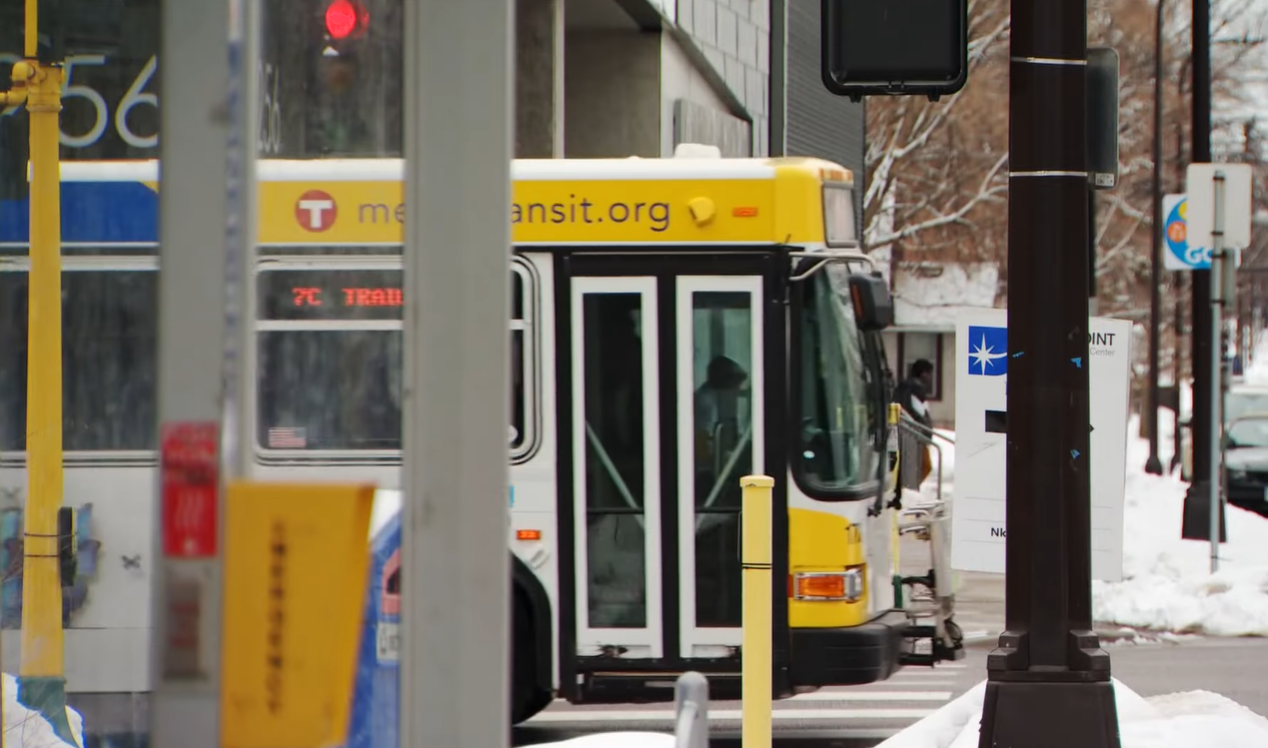
Ambrose is a bus driver. One snowy day in February, he got his chance to help someone who ___1___ (true) needed it.
Ambrose had just finished his route and was turning his bus around ___2___ he saw something unusual. A boy who Ambrose ___3___ (estimate) was between 4 and 6 years old was wearing a school backpack and standing on the snowy sidewalk, all by ___4___ (he) .
Ambrose knew that school ___5___ (cancel) that day due to the weather, and he couldn’t figure out any other reason why a child would be alone in a snowstorm. When he saw the child ___6___ (attempt) to get into a car and then falling in the street when the car drove away, he knew the boy needed his help.
“I could tell the child was very anxious,” Ambrose recalled. “He was non-verbal and difficult ___7___ (communicate) with, but I kept an eye on him and kept talking to him.”
Ambrose got the child safely onto his bus, then called his supervisor at the Transit Control Center. They checked missing child reports in the area, and there it was: a missing 9-year-old with autism (自闭症) ___8___ wandered away from home about 15 blocks away, in north Minneapolis.
1.1.
A
B
C
D
解析:选truly。truly 考查副词。 空格前有 someone who,空格后是 needed it,needed 是动词,因此需用副词修饰动词 needed。true 的副词形式是 truly,意为“真正地”。
2.2.
A
B
C
D
解析:选when。when 考查连词。was turning... when... 是固定句型,表示“正在做……这时……”。其他选项如 while 虽也表时间,但多用于长动作重叠,而此处强调“突然看到”的瞬间。故填when。
3.3.
A
B
C
D
解析:选estimated。estimated 考查动词时态。文章整体是过去叙事,且 Ambrose 对男孩年龄的“估计”是发生在过去的动作,因此用一般过去时 estimated。
4.4.
A
B
C
D
解析:选himself。himself 考查反身代词。all by oneself 是固定短语,意为“独自一人”。主语是 the boy,对应反身代词 himself。
5.5.
A
B
C
D
解析:选was canceled。was canceled 考查被动语态。主语是school(“学校”),谓语是 cancel(“取消”),二者逻辑关系为 “学校被取消”,故需用被动语态(被动语态结构:be + 过去分词)。故填was canceled。
6.6.
A
B
C
D
解析:选attempting。attempting 考查非谓语。动词“see”的常见结构为“see sb. do sth.”(看到某人做某事的全过程)或“see sb. doing sth.”(看到某人正在做某事)。原文描述司机看到孩子“试图上车”这个正在进行的动作,且后面紧接着“and then falling...”,表示两个连续发生的动作,因此使用“attempting”更为准确,能与“falling”保持非谓语动词形式的一致。
7.7.
A
B
C
D
解析:选to communicate。to communicate 考查非谓语。在“主语 + be + 形容词 + to do”结构中,当主语是其后不定式动作的承受者时,使用主动形式表示被动含义。即“He was difficult to communicate with.” 故填to communicate。
8.8.
A
B
C
D
解析:选who。who或that 考查定语从句关系代词。 先行词是 a missing 9-year-old with autism(指人),在定语从句中作主语,因此用 who或that。
9.9.
A
B
C
D
解析:选for。for 考查介词。 be grateful for sth. 是固定搭配,意为“对……表示感谢”。此处指家人对帮助表示感谢。故填for。
10.10.
A
B
C
D
解析:选what。what 考查从句引导词。空格后 I would hope someone would do for my child 是一个缺少宾语的从句,且位于系动词 is 后,因此用 what 引导表语从句,同时在从句中作 do 的宾语。