
跨年不止狂欢:博物馆展览成新风尚
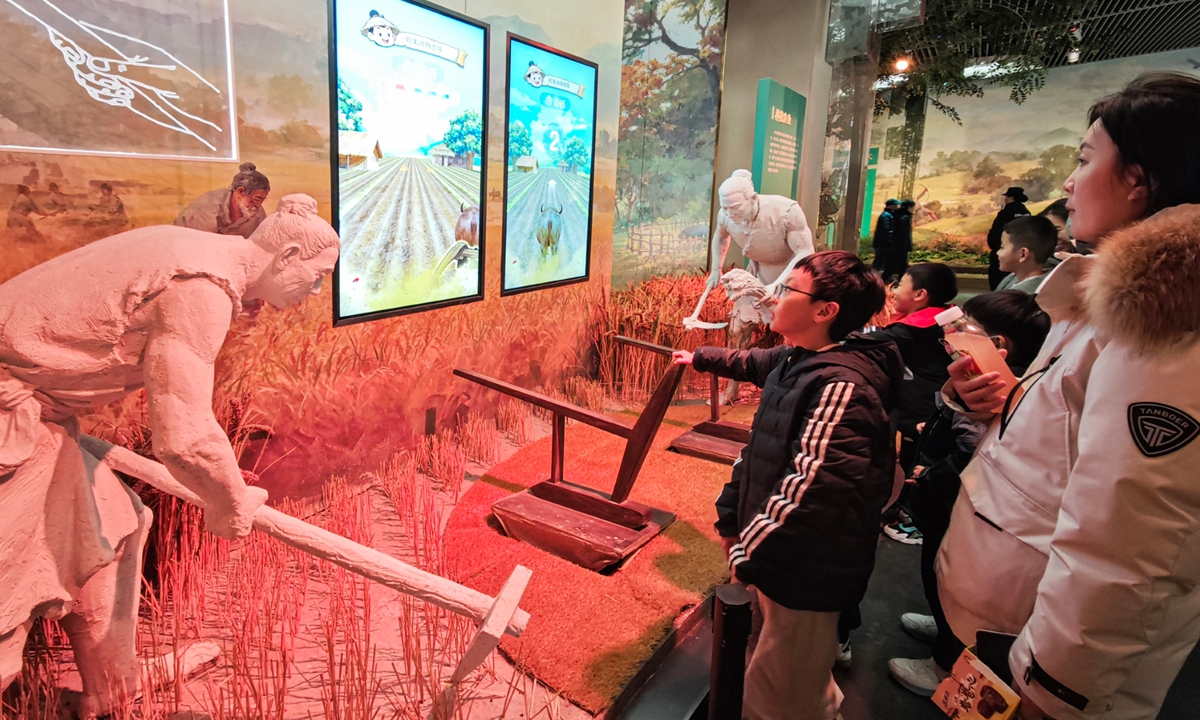
As the new year kicked off, cultural institutions across China treated the public to a wide range of exciting exhibitions, drawing huge crowds eager to celebrate by exploring art and history. From ancient gold displays at the Capital Museum in Beijing and qipao fashion shows at the Shanghai Museum to avian-themed exhibitions in Chengdu and Picasso’s masterpieces in Pudong, these events offered diverse experiences for visitors of all ages. Standing before these relics and artworks that embody time and civilization, many people found the spiritual resources they needed to embrace a brand-new beginning.
For Chinese museums, the period from New Year’s Day to Spring Festival has become a golden window for “artful cross-year” activities. Unlike regular exhibitions, holiday-themed ones often focus on auspicious and joyful elements, mirroring people’s wishes for good fortune in the new year. Statistics from Shanghai showed that 47 art museums hosted 120 exhibitions and 34 public education events during the holiday, welcoming 43,000 visitors — a 10% year-on-year rise. Meanwhile, the city’s 75 museums saw a 19% increase in attendance.
Among the most popular exhibitions was Shanghai Museum’s qipao show Glamour and Modernity Beyond Shanghai, featuring over a century’s worth of the iconic dresses that reflect 20th-century Shanghai’s evolving style. In Beijing, the National Museum’s exhibition of archaeological discovery, including bronze chime bells and jade pendants unearthed from Anhui, showcased the Warring States Period’s cultural integration. Chengdu’s Natural History Museum also joined the fun with its Birds in Flight show, displaying 200 rare bird specimens and attracting 16,000 visitors in three days.
1.1. What is the main purpose of the first paragraph?
A To list popular exhibitions in detail.
B To show New Year’s cultural activities.
C To compare museums across cities.
D To criticize traditional entertainment.
解析:选B。B推理判断题。第一段并没有详细列举展览(A错),也没有比较不同城市的博物馆(C错),更没有批评传统娱乐(D错)。它开篇点题,概括介绍了新年伊始中国各地文化机构推出丰富多彩的展览这一文化现象,并描绘了公众踊跃参与的场景,其核心目的是展示新年期间的文化活动,为全文奠定基调。故选B。
2.2. What does the data in Paragraph 2 mainly reflect?
A Holiday exhibitions attract more visitors.
B Museum events are losing popularity.
C Youth prefer digital exhibitions.
D Exhibition numbers are declining.
解析:选A。A细节理解题。根据第二段的“a 10% year-on-year rise”和“the city’s 75 museums saw a 19% increase”可知,数据表明假日期间的展览吸引了更多的参观者。故选A。
3.3. Which exhibition shows the style changes of Shanghai in the 1900s?
A The ancient gold display.
B The qipao fashion show.
C The bird specimens exhibition.
D The archaeological discovery show.
解析:选B。B细节理解题。答案直接对应第三段第二句:“...Shanghai Museum’s qipao show...featuring over a century’s worth of the iconic dresses that reflect 20th-century Shanghai’s evolving style.” 该句明确指出,上海博物馆的旗袍展展出了反映20世纪(即1900年代)上海风格演变的服装。其他展览(A古代金饰、C鸟类标本、D考古发现)均未提及与1900年代上海风格变化相关的内容。故选B。
4.4.According to the author, what is the deeper value of visiting such exhibitions?
A It offers a simple leisure activity.
B It meets experts’ research needs.
C It mainly benefits local tourism.
D It strengthens historical connection.
解析:选D。D推理判断题。答案需从最后一段,特别是作者引用的参观者感受和评论中推断得出。文中提到,参观不仅仅是娱乐(A错),更是“a chance to dialogue with a civilization spanning millennia, gain spiritual strength, and start the new year by connecting with history, nature and culture”,并称之为“a unique reward that links the past, present and future”。这些描述都超越了简单的休闲(A)、专家研究(B未提及)或促进旅游(C非重点)的层面,其深层价值在于与历史和文明建立连接,获得精神力量。因此,D选项“它加强了历史连接”最准确地概括了这一深层价值。故选D。