
文化摆渡人:带外国游客体验“本地人同款”日常
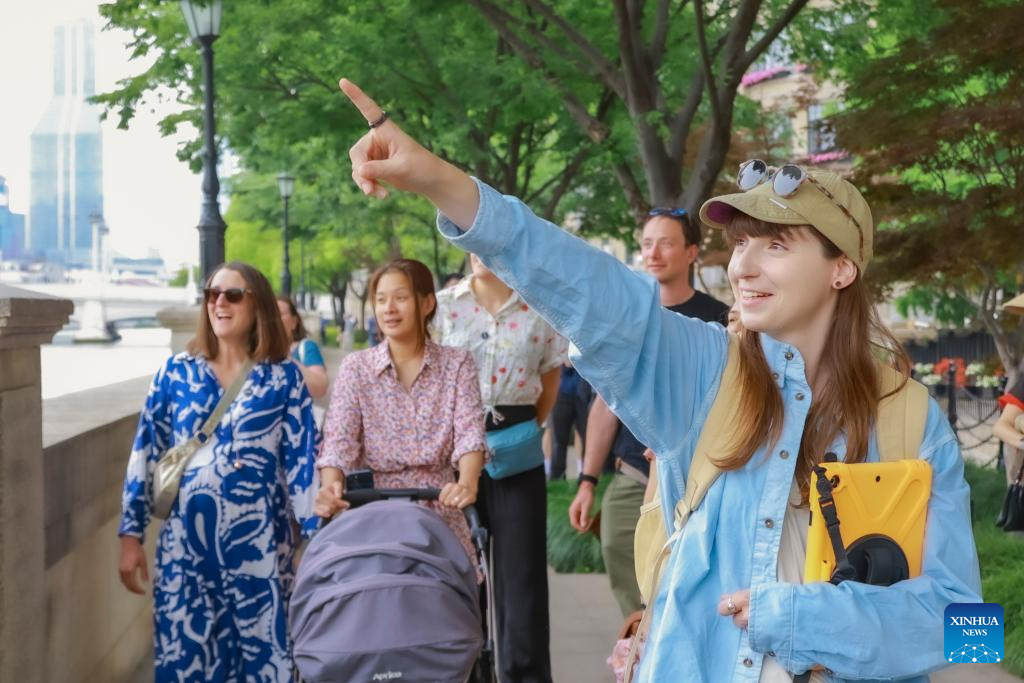
In China, some special guides are helping foreign visitors see the real country. They are called “cultural ferrymen”. They show tourists everyday life, not just famous places.
These guides plan interesting trips. For example, they take foreign visitors to local parks. Tourists can see people doing Tai Chi, reading books, or buying food in the park. They walk through old streets, taste local snacks, and hear stories about the past. This helps visitors understand Chinese life better. Sometimes, they even try using a phone to pay for things, just like local people do.
Many foreigners in China also help. Clarisse Le Guernic, a French woman, has lived in Shanghai for 10 years. She leads tours about the city’s history and culture. There are also English-language stand-up comedy shows in big cities, which help foreigners and Chinese understand each other better through funny stories.
1.1.What do “cultural ferrymen” mainly show foreign visitors?
A Famous buildings.
B Daily Chinese life.
C Big shopping malls.
D High mountains.
解析:选B。B 细节理解题。文章第一段第二、三句明确指出:“They are called ‘cultural ferrymen’. They show tourists everyday life, not just famous places.” 说明“文化摆渡人”主要向游客展示的是日常生活,而不仅仅是著名景点。因此正确答案是B(Daily Chinese life)。选项A(著名建筑)、C(大型购物中心)、D(高山)均与原文强调的“日常生活”重点不符。故选B。
2.2. Which activity is NOT mentioned in the trips?
A Visiting local parks.
B Trying local snacks.
C Visiting modern shopping malls.
D Walking through old streets.
解析:选C。C细节理解题。文章第二段具体描述了行程活动:“they take foreign visitors to local parks”(参观当地公园)、“They walk through old streets”(逛老街)、“taste local snacks”(品尝当地小吃)。全文没有提及“visiting modern shopping malls”(参观现代购物中心)。因此C是未提及的活动。故选C。
3.3. From the passage, we can know that Clarisse ________.
A is a new comer to Shanghai
B understands Shanghai’s culture well
C only guides French tourists
D dislikes traditional streets
解析:选B。B 推理判断题。文章第三段提到Clarisse是法国人,已在上海居住10年,并且“leads tours about the city’s history and culture”(带领关于上海历史和文化的旅行团)。根据她长期居住并能够带领文化旅行团这一信息,可以合理推断她对上海文化有很好的了解,因此B正确。选项A(她是上海的新来者)与居住10年矛盾;C(只指导法国游客)和D(不喜欢传统街道)在文中均未提及。故选B。
4.4. What is one result of the guides’ work on some visitors?
A They lose interest in Chinese culture.
B They find China too modern.
C They only want to visit big cities.
D They prefer to stay longer in China.
解析:选D。D 细节理解题。文章最后一段明确指出:“Because of these guides... Some visitors even want to stay longer.” 这正是导游工作带来的结果之一:一些游客因此更想留在中国更长时间。因此D正确。选项A(对中国文化失去兴趣)、B(觉得中国太现代)、C(只想参观大城市)均与原文内容相反或未提及。故选D。
5.5. What’s the main idea of the passage?
A Special guides show real China to the world.
B Foreigners help Chinese learn English.
C China has many beautiful old streets.
D Comedy shows improve friendship.
解析:选A。A 主旨大意题。全文围绕“cultural ferrymen”(文化摆渡人)和类似Clarisse这样的向导展开,讲述他们如何通过展示日常生活、历史文化,帮助外国游客了解真实、现代、友好的中国,成为友谊的桥梁。因此文章核心主旨是特殊导游向世界展示真实的中国,A选项准确概括。B选项(外国人帮中国人学英语)只是文中一个非常次要的细节(喜剧表演可能有助于语言理解);C选项(中国有很多美丽的老街)是具体例子;D选项(喜剧表演增进友谊)仅是文中部分内容,均不能概括全文。故选A。