
“追光”跨年:点亮城市的新年新潮流
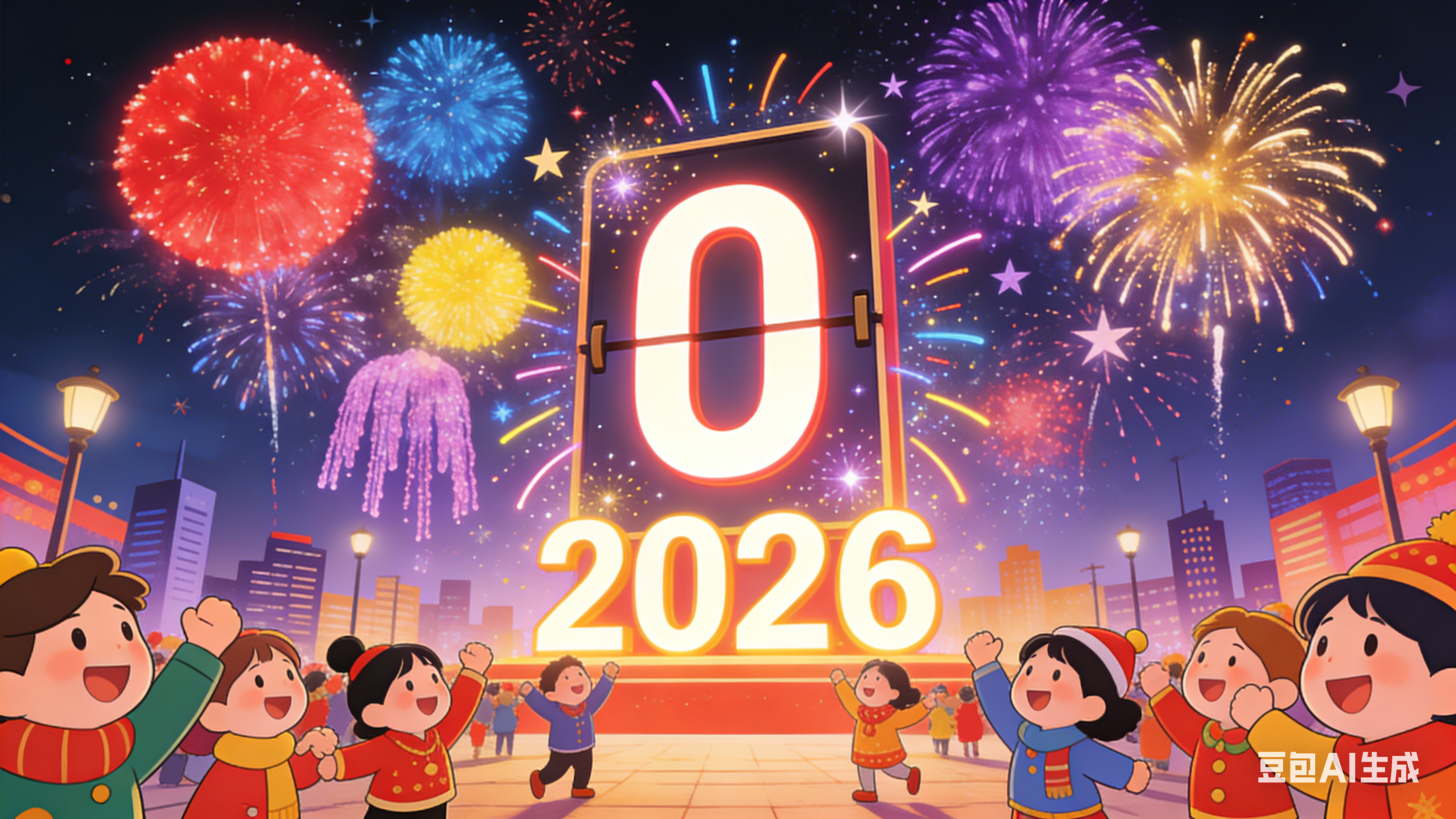
As night falls across China, a new tradition is lighting up cities. Crowds gather by riversides, ancient walls, and public squares to enjoy beautiful light shows, fireworks, and drone (无人机) displays. This exciting trend, known as “light-chasing”, is especially popular among young people during New Year celebrations. Instead of staying indoors, they go out into the night, moving from one glowing event to another, making the whole evening an adventure.
“Light-chasing” makes New Year’s Eve a long, fun night. In Beijing, for example, people can listen to bell-ringing, watch drum performances on the Great Wall, or enjoy countdown concerts with hundreds of drones lighting up the sky. Over forty museums extend their hours, some even staying open past midnight. This adds culture to the festive night. Young people make careful plans. Their plans may include listening to music, joining night tours, or even watching the sunrise the next morning.
This trend also brings energy to the nighttime economy (经济). Restaurants create special holiday menus, hotels are fully booked, and cultural spots mix light shows with other activities like hot springs or skiing. Different cities show their unique styles: Shanghai and Beijing love fireworks; Chongqing and Wuhan prefer floating sky lanterns; Shenzhen and Xi’an impress people with high-tech drone performances.
1.1. What is the main purpose of the first paragraph?
A To explain drone technology.
B To introduce “light-chasing”.
C To compare holiday traditions.
D To describe New Year’s food.
解析:选B。B 细节理解题。第一段开篇描述了“追光”这一现象:夜晚人们聚集在河边、古城墙等地欣赏灯光秀、烟花和无人机表演,并明确指出这一趋势被称为“light-chasing”。整段都在介绍这一新兴传统是什么、在哪里发生以及谁喜欢它。因此,其主要目的就是引入主题“追光”。A项(解释无人机技术)、C项(比较节日传统)、D项(描述新年食物)均未在第一段提及。故选B。
2.2. What can’t people do in Beijing during “light-chasing”?
A Watch drum Great Wall shows.
B Enjoy drone countdown concerts.
C Fly floating sky lanterns.
D Listen to bell-ringing.
解析:选C。C细节理解题。第二段明确列出了北京的活动:听钟声(D)、在长城看鼓表演(A)、欣赏无人机倒计时音乐会(B)。第三段提到不同城市的独特风格时指出:“Chongqing and Wuhan prefer floating sky lanterns”(重庆和武汉偏爱放天灯)。放天灯是重庆和武汉的特色,并非北京的活动。因此C项是正确答案。故选C。
3.3. What does the word “extend” most likely mean in the second paragraph?
A To make ... longer.
B To make ... louder.
C To make ... cheaper.
D To make ... easier.
解析:选A。A 词义猜测题。根据第二段的“Over forty museums extend their hours, some even staying open past midnight”可知,后半句“部分博物馆甚至开放到午夜之后”是对前半句“延长开放时间”的补充说明,由此可推测“extend”意为“延长”。故选A。
4.4. “Light-chasing” helps ______.
A develop nighttime economy
B make people stay indoors
C reduce restaurant sales
D waste electricity
解析:选A。A细节理解题。第三段首句直接点明:“This trend also brings energy to the nighttime economy.”(这一趋势也为夜间经济带来了活力。)随后具体说明了餐厅推出特别菜单、酒店预订一空等现象。因此,“追光”有助于发展夜间经济(A)。B项(让人们待在家里)与文章第一段“Instead of staying indoors...”意思相反;C项(减少餐厅销售)和D项(浪费电)均与文章描述的积极经济影响相悖。故选A。
5.5. What can we learn from the passage?
A All cities have the same light-chasing styles.
B Light-chasing only brings fun to people.
C People celebrate only at midnight.
D Light-chasing shows local cultures.
解析:选D。D推理判断题。文章最后一段提到:“It shows each place’s local culture...”(它展示了每个地方的本土文化...)这与D项“追光展示了当地文化”意思一致。A项(所有城市都有相同的追光风格)错误,因为第三段明确指出不同城市有独特风格(如上海北京爱烟花,深圳西安擅长无人机表演);B项(追光只给人们带来乐趣)不全面,因为文章最后还提到它帮助人们彼此联系、与城市连接;C项(人们只在午夜庆祝)错误,文章提到活动从夜晚持续到甚至第二天看日出。故选D。