
水银体温计退场!2026年1月1日正式停产
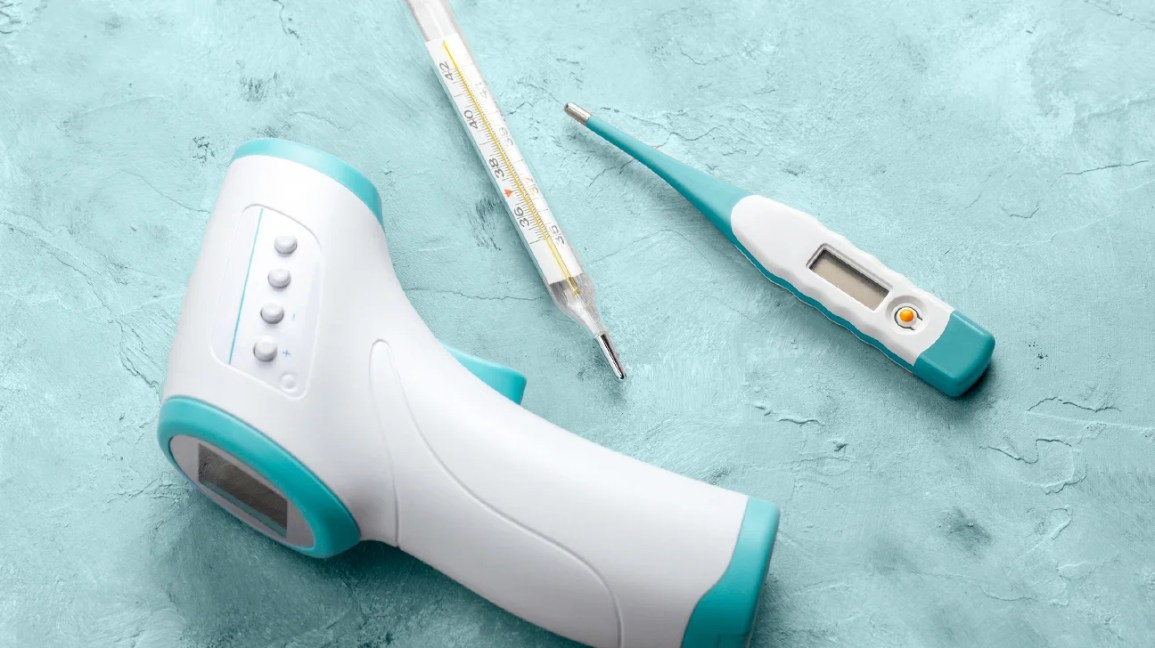
Starting January 1st, 2026, China will stop the production of mercury (水银) thermometers and blood pressure monitors. This decision is an important step to control mercury pollution and reduce health risks, as safer alternatives are now widely available.
For many years, the mercury thermometer was a common item in households across China. It was valued for being affordable, easy to use, and very reliable. Its high sensitivity and ability to work in different conditions made it a trusted tool for checking temperature. The glass casing, though common, was also its main weakness because it could break easily.
However, this familiar device contains a hidden danger. Inside, there is about one gram of mercury, a highly poisonous heavy metal. The World Health Organization lists mercury as one of the top ten chemicals harmful to public health. Exposure can damage the nervous, digestive, and immune systems, as well as the lungs, kidneys, skin, and eyes. If the glass breaks, the spilled mercury can evaporate into an invisible vapor. Breathing in this vapor or touching the liquid metal can be very dangerous to health.
If a thermometer breaks, it is important to stay calm and act carefully. First, open windows to let fresh air ventilate the room. Carefully collect the small mercury beads using cardboard or sticky tape, and seal them in a container. This waste should be taken to a special site for dangerous materials. Do not use a vacuum cleaner or broom, as they will spread the mercury and make the problem worse. If someone is cut by the glass, rinse the wound under clean, running water immediately to wash away any mercury.
1.1.What is the main purpose of China’s ban on mercury devices?
A To cut production costs.
B To control pollution and risks.
C To follow global trends.
D To use safer materials.
解析:选B。B细节理解题。文章第一段明确提到:“This decision is an important step to control mercury pollution and reduce health risks...”,即该禁令是为了控制汞污染、降低健康风险。选项B与此完全一致,可直接从原文中找到依据,而其他选项在文中均未直接体现为主要目的。故选B。
2.2.What does “hidden danger” mainly refer to?
A The breakable glass.
B Its high sensitivity.
C The liquid inside.
D Incorrect usage.
解析:选C。C细节理解题。第三段首句指出温度计含有“hidden danger”,接着详细说明其内部约有1克汞,并强调汞的毒性及对人体多系统的危害。因此,“hidden danger”主要指其内部的液态汞,而非玻璃易碎(虽然后者也是缺点)或其他选项。故选C。
3.3.The word “ventilate” most likely means to ______.
A clean
B circulate
C check
D seal
解析:选B。B 词义猜测题。“ventilate”出现在第四段处理破碎温度计的步骤中:“open windows to let fresh air ventilate the room”。根据语境,打开窗户是为了让新鲜空气流通,从而排出可能蒸发的汞蒸气。选项中“circulate”(使空气流通)最符合此意,其他选项“clean”(清洁)、“check”(检查)、“seal”(密封)均不符合上下文逻辑。故选B。
4.4.What is the last paragraph mainly about?
A Using ear thermometers.
B Problems of old devices.
C Available safe alternatives.
D Doctors’ recommendations.
解析:选C。C段落大意题。最后一段首句点明主题:“Fortunately, safe and modern alternatives are easy to find.” 随后具体列举了额温枪、耳温计及无汞合金温度计等替代品,并说明使用方法。整段核心是介绍可用的安全替代方案,而非仅聚焦某一设备(A)、旧设备问题(B)或医生建议(D,虽提及但非段落中心)。故选C。