
研究揭示人猫互动的认知偏差与健康隐患
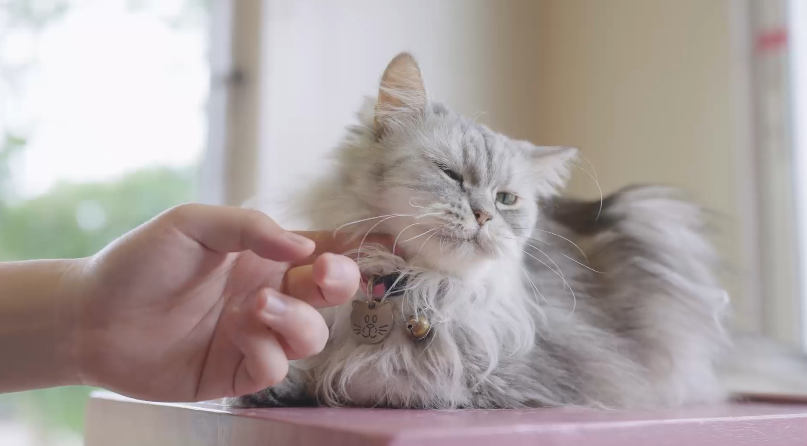
Humans still routinely misunderstand cats. Our new study, published in Frontiers in Ethology, shows just how little people understand the cues cats give.
We asked 368 Australian participants to watch videos of human — cat play interactions. But not all the videos were “play” for the cat. Only half of the cats were playing, while the other half were actually showing signs they didn’t want to play, or were feeling stressed by the interaction. After each video, participants were asked if they thought the interaction was overall positive or negative for the cat, based only on the cat’s behaviour. They were then asked how they would interact with the cat in the video they had just seen.
Results showed that participants struggled to recognise negative cues indicating discomfort or stress in cats. For videos of cats who weren’t playing and were showing subtle negative cues (such as sudden tension in the body or avoiding touch), participants only recognised the negative cues about as well as chance (48.7%). Even when participants watched videos of cats showing overt negative cues like hissing, biting or trying to escape, they still incorrectly categorised these as positive 25% of the time. Even when participants did successfully recognise negative cues, they often chose to engage with the cat in ways that would cause more stress and increase the risk of human injury, such as stroking, belly rubbing and playing with hands.
Stress can have serious consequences. Cats who experience regular or prolonged stress (including from unwanted interactions like those in the negative videos) are at higher risk of health issues. They’re also more likely to develop behaviours people find problematic, such as increased aggression. Cat stress is bad for humans, too. If a person doesn’t heed early warning signs, the cat may bite or scratch, depositing bacteria and microorganisms deep into the skin. Rapid infection follows 30%-50% of cat bites. If not treated promptly, it can lead to serious complications including sepsis (败血症), chronic health issues and even death. Cat bites and scratches can also transmit zoonotic diseases such as cat scratch disease.
1.1.What were the participants asked to do after watching each video?
A Identify the cat’s breed.
B Judge the interaction’s nature.
C Describe their own feelings.
D Count specific cat behaviors.
解析:选B。B细节理解。根据第二段的“After each video, participants were asked if they thought the interaction was overall positive or negative for the cat”可知,在观看每个视频后,参与者被要求判断他们认为该互动对猫整体上是积极的还是消极的,这正是对“interaction’s nature”(互动的性质)的具体界定。研究设计的目的就是要考察参与者能否准确判断人猫互动的本质属性——即这对猫来说是愉快的还是压力的体验。故选B。
2.2.Which statement best describes the study’s findings on participants’ performance?
A Improved with obvious cues.
B Only failed initially.
C Were perfect with subtle signs.
D Showed consistent difficulty.
解析:选D。D细节理解题。根据第三段内容可知,研究发现,参与者无论是对细微信号(识别正确率约50%)还是明显信号(仍有25%错误率),甚至在识别出负面信号后的应对方式上都存在困难,这表明他们的表现“持续存在困难”。故选D。
3.3.The underlined word “heed” in the context most likely means to ________.
A ignore
B notice
C predict
D analyze
解析:选B。B词义猜测题。从第四段上下文看,如果一个人不“heed”早期警告信号,猫可能会咬或抓,因此此处的“heed”应理解为“注意,发现”,相当于notice。故选B。
4.4.What might the passage talk about next?
A Specific proper responses.
B More health risks.
C Another animal study.
D Research limitations.
解析:选A。A推理判断题。文章最后一段中强调识别压力信号只是第一步,还需要知道如何正确回应,因此文章杰西莱最有可能继续阐述“具体的正确应对方法”,比如如何识别猫的身体语言等。故选A。